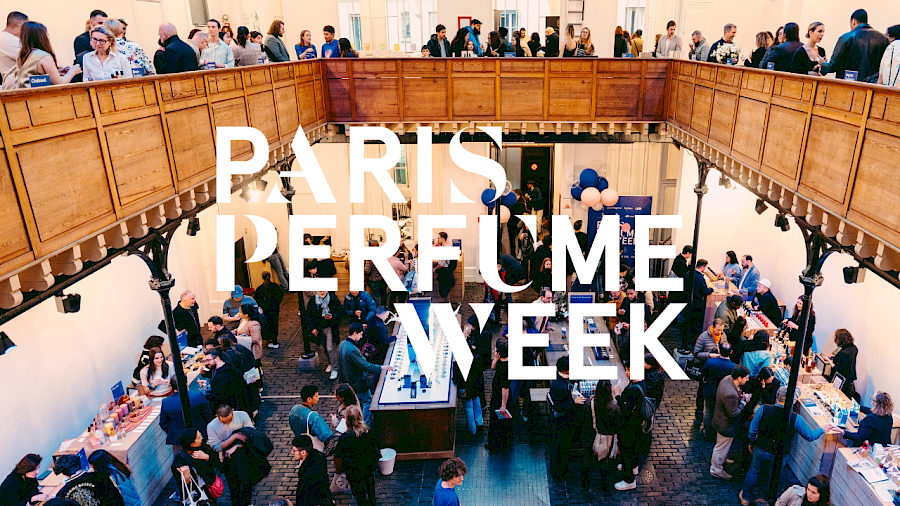
Bəzi tədbirlər var ki, onlar üçün Parisə uçmağa dəyər. Paris Ətir Həftəsi 2026 məhz onlardan biri idi.
9-11 aprel tarixlərində keçirilən üçüncü buraxılış Parisin keçmiş Fond Birjası olan Palais Brongniart məkanını tamamilə fərqli bir atmosferə çevirdi. Sütunlar yerində qaldı. Kassalı tavan yerində qaldı. Səhm ticarətini isə qoxular əvəz etdi.
Yeni məkan, Yeni dövr
Bu dəfəki vaxt seçimi təsadüfi deyildi. Tədbir həm Palais Brongniart-ın 200 illik yubileyinə, həm də tədbirin arxasında dayanan olfaktor mədəniyyət platforması Éditions Nez-in 10 illiyinə təsadüf edirdi. Bir binanın iki əsri. Bir ideyanın on ili. Pis kombinasiya deyil.
Üç gün ərzində tədbirə 11 500-dən çox ziyarətçi qatıldı və onların təxminən yarısını Fransa və xaricdən gələn sənaye peşəkarları təşkil edirdi. Bu göstərici ötən illə müqayisədə üç dəfə çox idi. İştirakçıların sayı isə 50-dən 180-ə yüksəldi. Paris Ətir Həftəsi əvvəl nə idisə, artıq bundan daha böyük bir hadisəyə çevrilib.
Tədbirin daxilində nə var idi
Dünyanın müxtəlif ölkələrindən 150-dən çox iştirakçı sərgi salonlarını doldurmuşdu: niş brendlər, parfüm evləri, distribyutorlar, xammal istehsalçıları, məktəblər və assosiasiyalar. IFF, Robertet, CPL Aromas, L'Oréal və Coty kimi böyük şirkətlərlə yanaşı, qablaşdırma üzrə mütəxəssislər və müstəqil evlər də iştirak edirdi. Bir ətir flakonunun yaranma prosesi çiçəkdən etiketə qədər bir məkanda nümayiş olunurdu.
Smell Talks proqramı parfümeriyanın gələcəyini müzakirə etmək üçün parfümerləri, dizaynerləri, tədqiqatçıları, rəssamları və jurnalistləri bir araya gətirdi: yeni narrativlər, innovasiya və ekoloji transformasiya əsas mövzular idi. Ətirin arxasında isə sənayenin özünə daha dərindən nəzər saldı xammal yetişdiricilərindən olfaktor dizaynerlərə qədər müxtəlif peşə sahibləri dəyirmi masalar və şəxsi hekayələr vasitəsilə təcrübələrini bölüşdülər. Hər iki proqram biletə daxil idi. Hər iki proqram tam dolmuşdu. Ən çox diqqət çəkən layihələrdən biri dsm-firmenich tərəfindən təqdim olunan “İtaliyanın ətri” sərgisi oldu. İtaliya bu dəfə görüntü ilə deyil, qoxular vasitəsilə təqdim olunurdu. Gözlənildiyindən daha uğurlu alınmışdı. İştirakçılar həmçinin LMR Naturals at IFF və Robertet-in ko-distillasiya və upcycling sahəsindəki işləri kimi yeni tədarük və ekstraksiya yanaşmalarını nümayiş etdirdilər. Ətir sənayesində dayanıqlılıq artıq ikinci dərəcəli mövzu deyil.
Paris dekorasiya qismində
Şəhərin müxtəlif qalereyalarında, butiklərində, kitab mağazalarında və mədəniyyət məkanlarında təxminən 80 əlavə tədbir keçirildi. Sərgi yalnız binanın daxilində qalmadı. Paris özü tədbirin bir hissəsinə çevrildi.
Rue du Jour küçəsində yerləşən agnes b. butikində keçirilən dörd praktiki seminar çiçəkdən ətirə uzanan yolu nümayiş etdirirdi. Evin gül dizayneri Karma Yangchen iştirakçılara botanika haqqında məlumat verdi, Symrise Fine Fragrance şirkətinin parfümeri Isaac Sinclair isə qoxu molekullarını əldə etməyə imkan verən çıxarılma üsullarını izah etdi. Tədbirin sonunda hər kəs mini ölçülü ətir flakonu ilə ayrıldı. Və bu, olduqca ədalətli idi.
Estée Lauder Group-un irsini lüks parfümeriya üçün innovasiya mərkəzi ilə birləşdirən yeni “La Maison des parfums” mərkəzi də 9 aprel tarixində şəhər üzrə keçirilən paralel proqram çərçivəsində xüsusi praktiki seminar üçün qapılarını açdı. Yeni institutlar, yeni dialoqlar.
Daha böyük mənzərə
Parfüm gözəllik sənayesinin həmişə ən səssiz kateqoriyası olub. Burada “əvvəl və sonra” yoxdur. Görünən nəticə yoxdur. Sadəcə yaddaş, əhval və orada olmayan birinə izah etməyin çətin olduğu hisslər var.
Parfümer Florian Gallo bunu peşəkarlarla geniş auditoriyanın ortaq ehtiras ətrafında səmimi və əlçatan atmosferdə bir araya gəldiyi həqiqətən unikal bir məqam kimi təsvir edib. Les Bains Guerbois-dan Donatien Darnaud isə daha birbaşa danışıb: dünyanın əsas parfüm paytaxtlarından biri olmasına baxmayaraq, Parisdə belə bir tədbir çatışmırdı. Üç buraxılışdan sonra artıq bu boşluq doldurulub. Tədbirin direktoru və həmtəsisçisi Romain Raimbault isə bunu şəhər miqyasında gerçək bir mədəni hərəkat adlandırıb. Parisdə aprel ayının yadda qalmaq üçün həmişə səbəbi olur. Bu il isə bunun üçün həqiqətən yaxşı səbəb var idi.
FAKTLAR
Palais Brongniart 1826-cı ildə inşa olunub və Paris Ətir Həftəsi 2026 onun 200 illik yubileyində keçirilən tədbir oldu.
Fransa dünya üzrə lüks parfümlərin təxminən 60%-ni istehsal etsə də, Nez bu tədbiri yaratmazdan əvvəl Parisdə geniş ictimaiyyət üçün böyük bir parfüm tədbiri yox idi.
İnsan burnu bir trilyondan çox fərqli qoxunu ayırd edə bilir. İnsanların əksəriyyəti isə onların yalnız çox az hissəsinin adını çəkə bilir.
Fransanın cənubunda yerləşən kiçik Grasse şəhəri XVII əsrdən bəri dünyanın parfüm paytaxtı hesab olunur. Paris Ətir Həftəsi artıq burada da bir buraxılış keçirib.
“Perfume” sözü latınca “per fumum” ifadəsindən yaranıb və “tüstü vasitəsilə” mənasını verir. Bu, qədim dövrlərdə ətirli qatranların təqdimat məqsədilə yandırılması ənənəsinə istinad edir.
XIX əsrin sonlarında sintetik molekulların yaranmasına qədər dünyadakı bütün parfümlər tamamilə təbii inqrediyentlərdən hazırlanırdı və onların bir çoxu bu gün qorunan və ya nəsli təhlükə altında olan maddələrdir.